E-commerce and warehousing ›

Demand Forecasting

Know in advance which products will run short or overstock, by product and by branch.

Demand ForecastingSample data
Actual salesForecastConfidence range
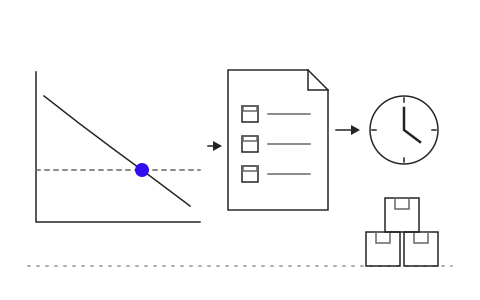
AI reorder suggestion
Order 2,650 pcs
Order by 5 Oct
  • Base demand 569 pcs a week
  • Promo +20% adds 246 pcs
  • On hand 1,800 pcs

Go ahead and try it. This screen simulates the system with sample data.

Highlights

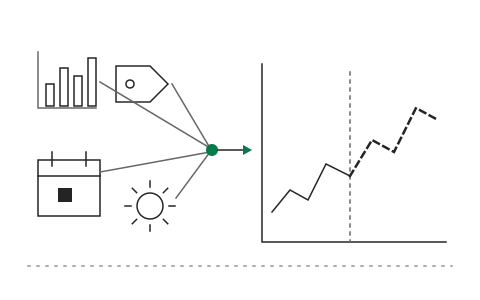
Uses sales history, promotions, holidays and seasonality

Uses sales history, promotions, holidays and seasonality

Recommends order quantities and when to order

Recommends order quantities and when to order

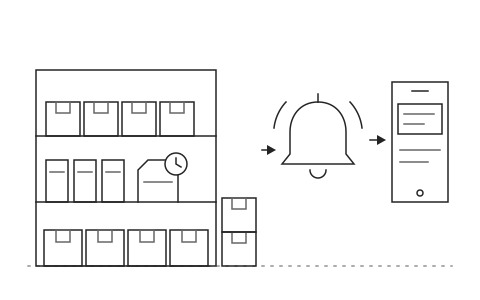
Alerts you to items nearing expiry or sitting in stock

Alerts you to items nearing expiry or sitting in stock

What Demand Forecasting is and how it helps your organisation

Order too much and stock sits until you clear it at a discount. Order too little and shelves are empty just when customers want the product. The purchasing team still decides from Excel and gut feel, and nobody can say why this month's numbers differ from last month's.

Khaojai IT's demand forecasting system uses AI to predict sales by product and by branch from sales history, promotions, holidays and seasonality, then recommends how much to order and when, explaining why the numbers changed in language the purchasing team understands. It also flags items nearing expiry or sitting in stock so you can act before they become sunk cost.

In daily use, purchasing and marketing plan campaigns from the same numbers, stockouts and overstock both fall, and planning meetings get shorter because everyone sees the reasoning behind each figure. Khaojai IT tunes the forecasting model to your products and sales cycles and pulls data from the POS, ERP or warehouse system you already use.

Questions buyers ask before starting

How much historical data do we need

More is better, but 1 to 2 years of daily or weekly sales is usually enough for the model to learn seasonality. New products without history are forecast from similar items.

Can it pull data from our existing systems

Yes. The system takes data from POS, ERP, SAP, warehouse systems or even Excel files sent on a schedule, and can send order recommendations back to your existing purchasing system.

How accurate is the AI, and does a person still decide

Accuracy varies by product, so the system shows an uncertainty range and the reasoning behind every figure. The purchasing team still approves each order and can adjust the numbers before confirming.

How long until we can start using it

Typically 2 to 3 months, including data preparation, tuning the model to your products and running it alongside your current method for one ordering cycle before full use.

AI in this system

AI forecasts sales and explains why the numbers change.

  1. 01Forecasts sales per branchPredicts weekly sales for each product at each branch.
  2. 02Explains why numbers changeTells you whether a rise or drop comes from promotions, holidays or seasonality.
  3. 03Simulates promotionsTry a discount or campaign and see how sales and stock would change.
  4. 04Spots unusual salesAlerts you when actual sales drift far from the forecast so you can adjust orders.

Works with the systems you already use

LINEMicrosoft 365Google WorkspaceSAPExcelExisting systems through APIs

Questions about Demand Forecasting?
Tell us about it

Describe the problem your organisation faces. Our team and AI will recommend the right software and help you think it through.